
Amid Divisive CEO Search, Juvenile Welfare Board Employees Focus on Work
Alexa Coultoff | Tampa Bay Times
Mar 27, 2026
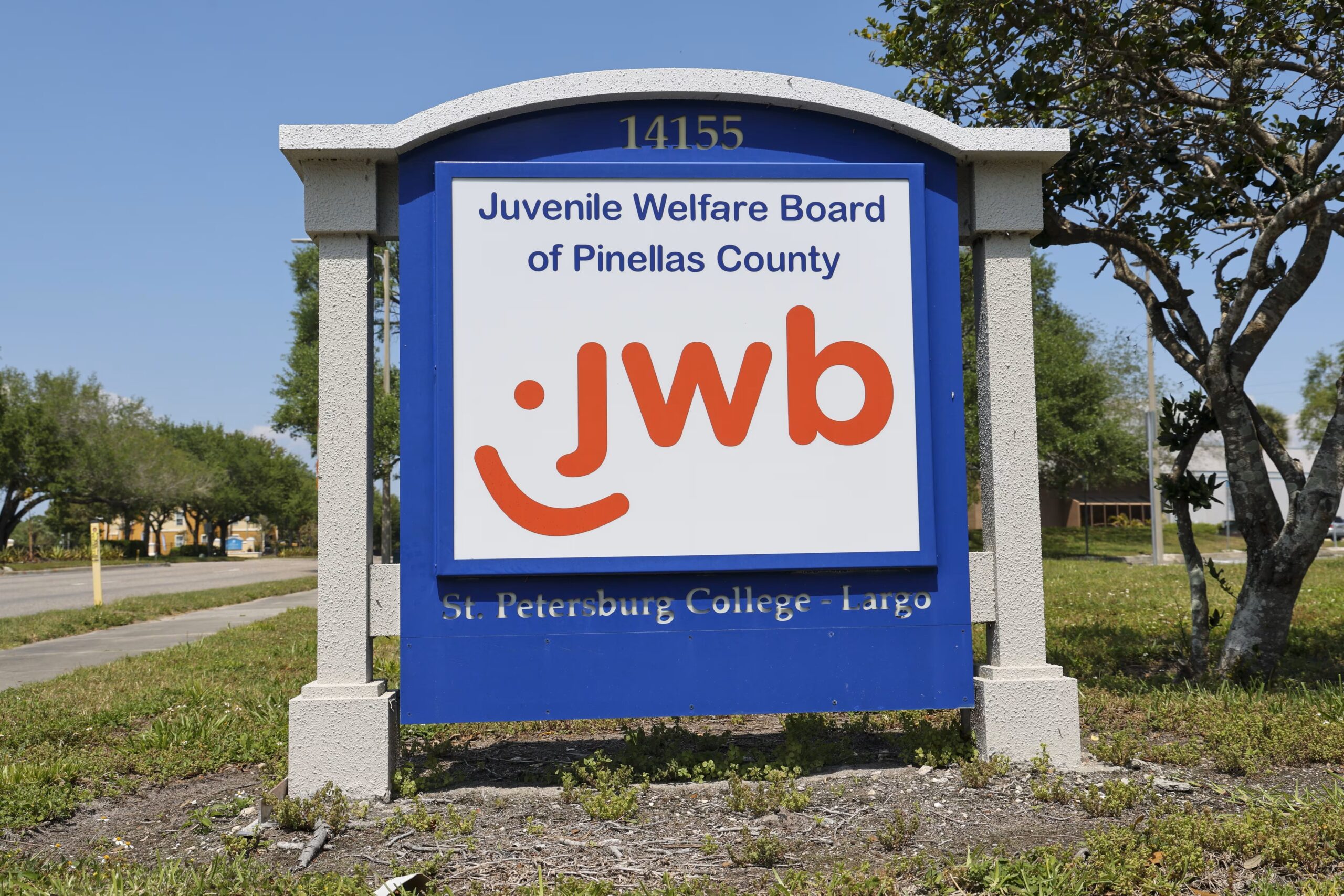
While a contentious meeting about a new CEO was unfolding in a conference room at the Juvenile Welfare Board of Pinellas County last month, 80 people were at work in cubicles down the hall.
The agency’s workforce has little to do with the board of high-ranking officials and gubernatorial appointees who are in a standstill over whom to elect for CEO. Among the front-runners are interim CEO Michael Mikurak and Glenton “Glen” Gilzean Jr., a popular appointee of Gov. Ron DeSantis who was accused of misspending millions in his last position.
The 11-member board consists of five county officials — including the state attorney and public defender — and six people appointed by DeSantis.
All but one of the board members appointed by DeSantis voiced their support for Gilzean during a straw poll at the Feb. 20 meeting, drawing questions from community members about whether the welfare board is taking a political turn.
The board is responsible for deciding how to spend $100 million annually in taxpayer funds. Employees behind the scenes rely on data and community relationships to workshop programs that support the county’s children and families.
The job application lists the CEO’s salary range between $200,000 and $245,000.
Here’s what to know about the employees behind the organization.
‘Like a think tank’
In fiscal year 2025, the welfare board spent $102 million on 98 programs across 51 organizations, said Chief Operating Officer Karen Boggess.
Boggess has been at the organization for more than 20 years and said many of her neighbors don’t know that the board funds programs they use, including early learning centers and after-school programs at the YMCA.
The Juvenile Welfare Board also funds hunger initiatives, domestic violence organizations and behavioral health services.
In 2025, dollars went toward providing 7 million meals to children, connecting 9,000 kids with mental health services and distributing thousands of brain development materials to new parents, Boggess said.
A key success of the year, Boggess said, was that 99% of parents receiving in-home support from the organization reported being “free of abuse or neglect” during or after services.
“The staff take their work so seriously,” said Megan Seales, director of performance and evaluation. “We’re taking dollars out of homes in our community and they’re trusting us to be accountable to them. Behind every number is a kid.”
Becky Albert, director of strategic initiatives, said she sees the welfare board as a “think tank” for what the county’s children need.
She said the board has historically focused on funding programs in “higher-risk” areas of the county, but data told a different story. She discovered through Pinellas-Pasco Medical Examiner’s Office data that children were dying by suicide more frequently in higher income areas north of Ulmerton Road.
A couple years ago, she persuaded the board to change its mindset and allocate funds for mental health specialists to embed in private practice pediatric offices in the northern part of the county.
Albert also sits on the state’s child abuse death review team, where she and others discuss how child deaths could be prevented.
Suffocation is the leading cause of preventable death for children, said Albert, who brought the Sleep Baby Safely initiative to the Juvenile Welfare Board in 2018. Infant sleep-related deaths have been cut in half countywide since the educational campaign launched, according to medical examiner’s office data.
Some of the campaign’s key tips include always putting babies to sleep on their backs, having babies sleep in a crib and not an adult bed, and staying alert while breastfeeding by setting an alarm.
Two-thirds of infant sleep-related deaths happened when parents shared a bed with their baby, and infants are 40 times more likely to die in adult beds than a crib, according to the Sleep Baby Safely website.
Data has become a backbone to most of the organization’s work, said Michael Havelka, who prefers “data dude” to his formal title of senior data business and intelligence analyst.
Havelka is working on an interactive map of Pinellas County that will allow the public to see how issues differ from neighborhood to neighborhood based on census tract data.
Jomar Lopez, senior strategic researcher, said that Havelka finds the “what” in the numbers and then goes into communities to find the “why.”
Lopez meets with residents at neighborhood councils in three parts of the county to hear what they need from the welfare board and what issues are unique to their areas.
“We inform them and they inform us,” he said.
Humble beginnings
For nearly 80 years, the welfare board has remained nonpartisan.
A judge and an attorney worked together in the 1940s to try to persuade Pinellas County commissioners to allocate funds toward juvenile welfare at the conclusion of World War II.
When commissioners refused, the attorney, Leonard W. Cooperman, wrote a bill that called for the creation of a board. Voters approved the referendum during the November 1946 general election.
The Juvenile Welfare Board became the first entity in the United States dedicated to serving children and families with taxpayer dollars,according to a digital history written by USF. Mailande Holland Barton, who helped establish the Junior League of St. Petersburg, became the first board chairperson.
At the February meeting, some officials on today’s board expressed concern about the organization taking a political direction.
“I don’t want to see JWB become a political entity,” said Pinellas schools Superintendent Kevin Hendrick. “I want JWB to be about kids, I want to become less political, apolitical.”
Becca Gross-Tieder, a public awareness officer for the board, came to work at the agency because her father, Judge Raymond Gross, once served on the board.
“The reason this organization is so essential is because of the tireless efforts that often go unseen by the incredible people who work here,” she said.
She said she feels a responsibility to see that work continue. The board is scheduled to make a decision on the CEO on April 6.
Read the article as originally published at https://www.tampabay.com/news/pinellas/2026/03/27/pinellas-juvenile-welfare-board-jwb/