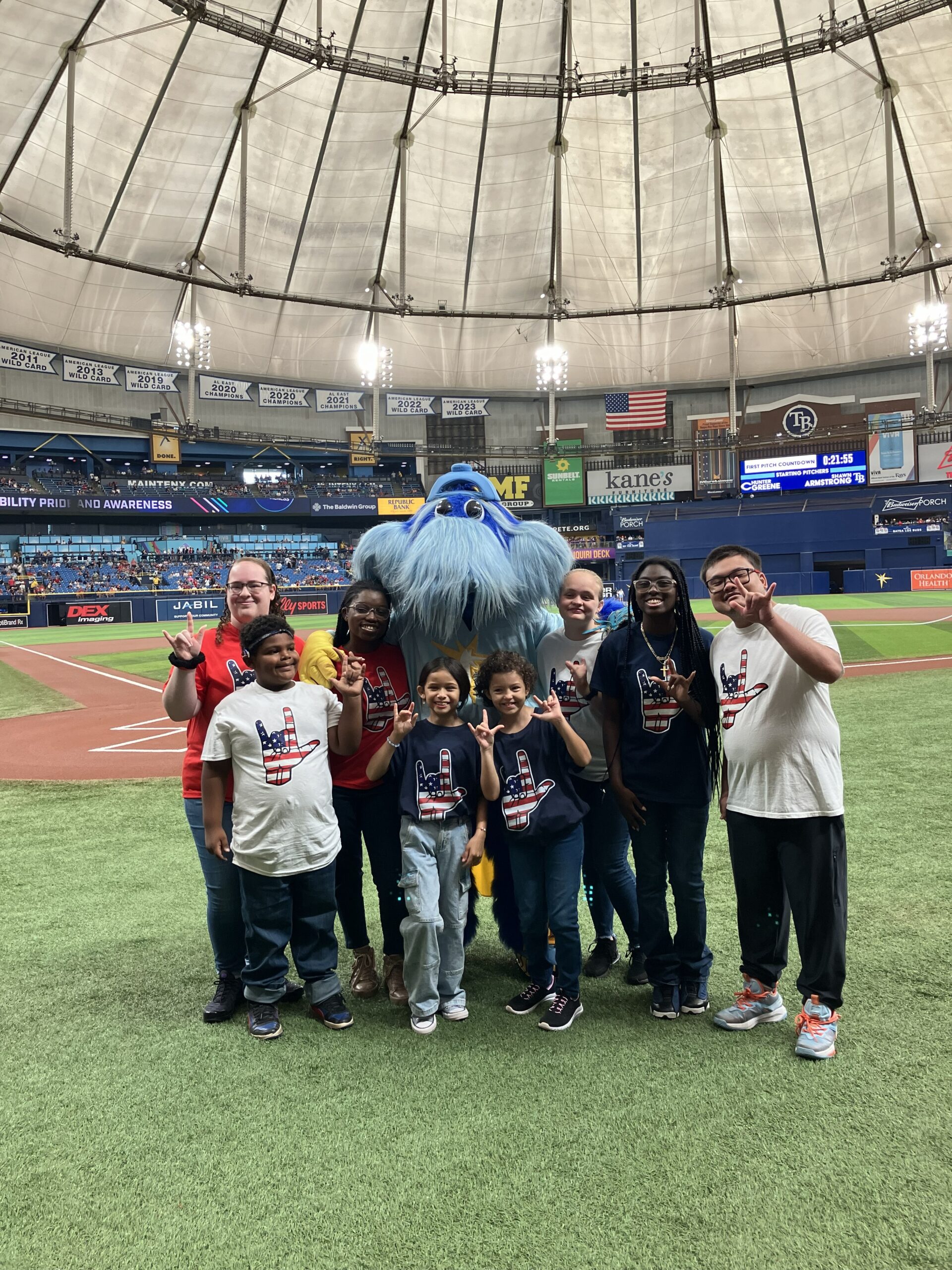
South County Grand Families Event Brings Caregivers and Community Together

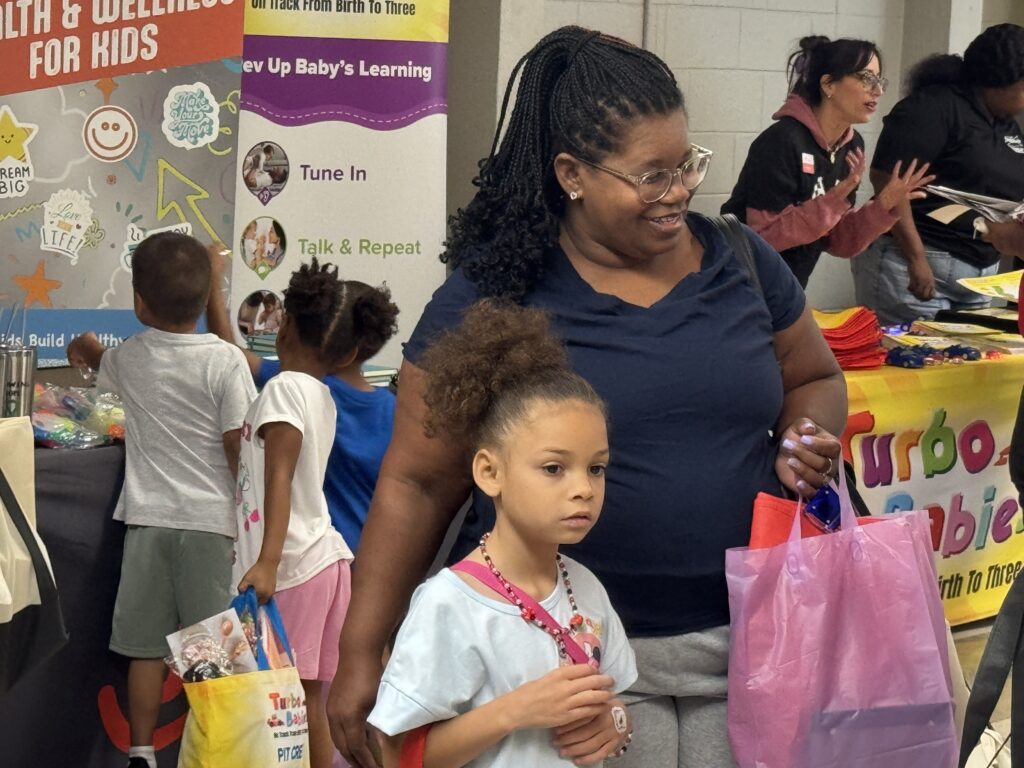
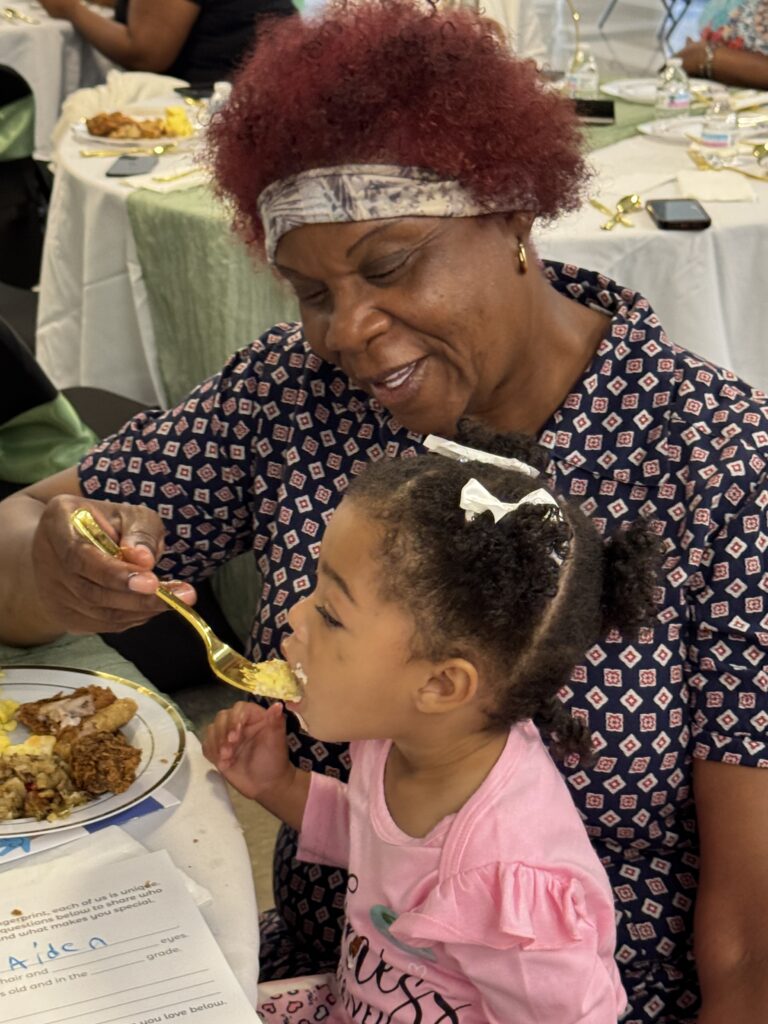
More than 130 attendees gathered for an indoor Caregivers’ Brunch connecting kinship caregivers with resources and one another—made possible by volunteers, partners, and community support.

The South County Community Council hosted a Caregivers’ Brunch to support caregivers raising grandchildren and other relatives, offering expert guidance, helpful resources, and time to connect. The response from families and partners was overwhelmingly positive.

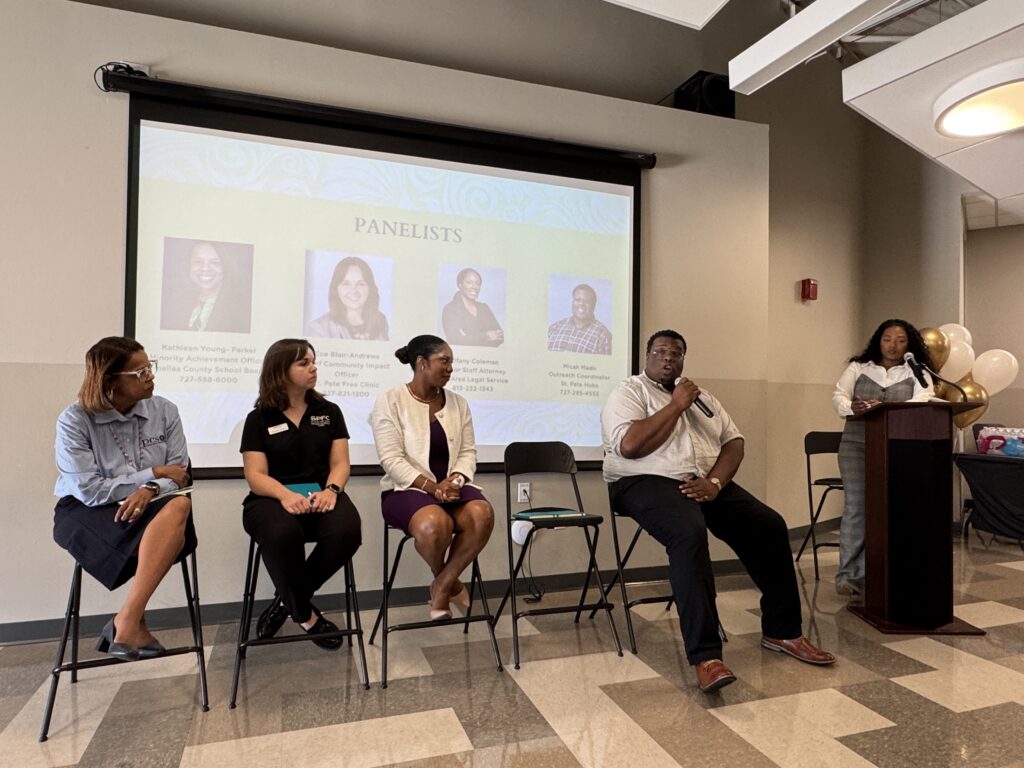
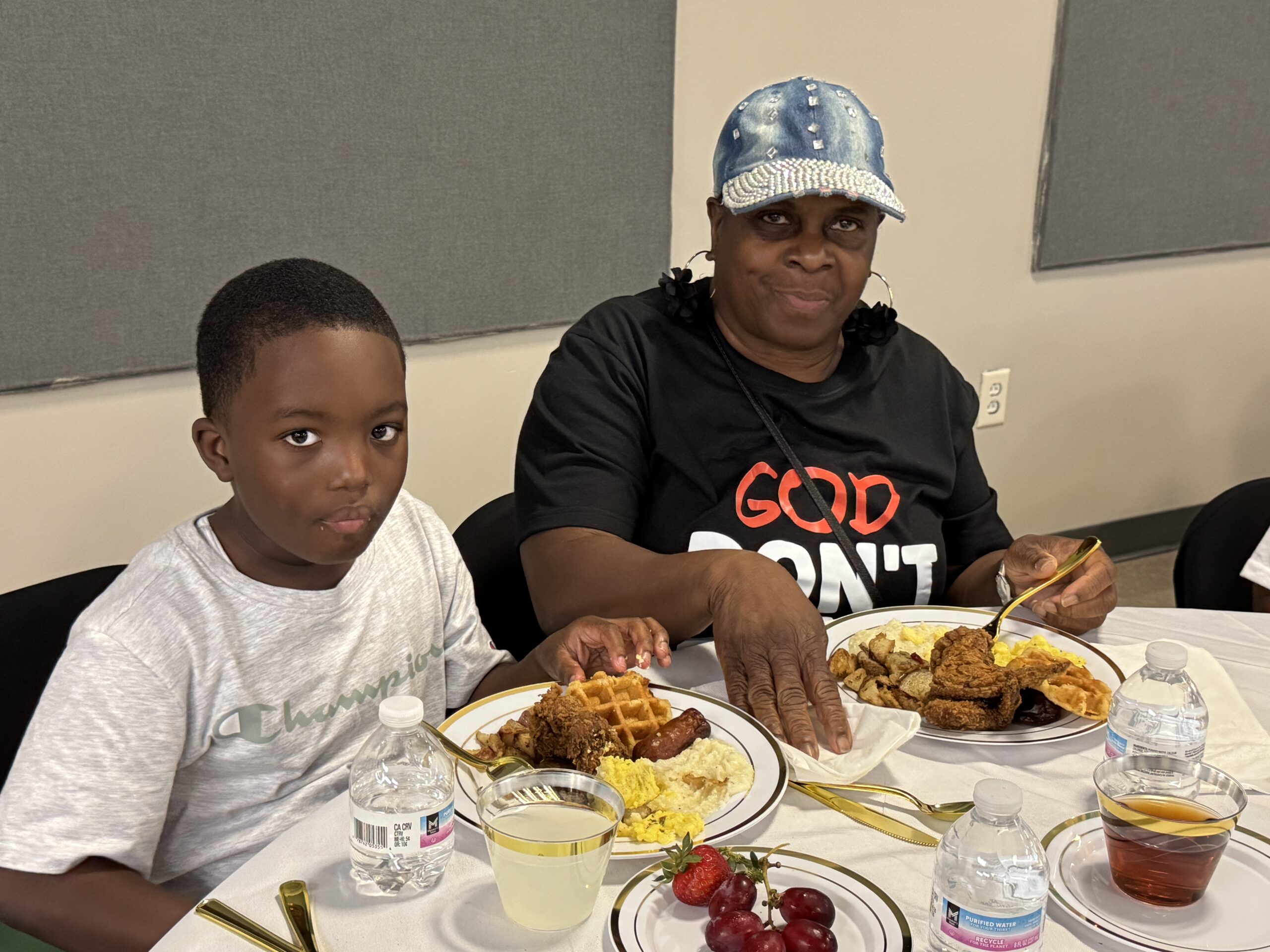
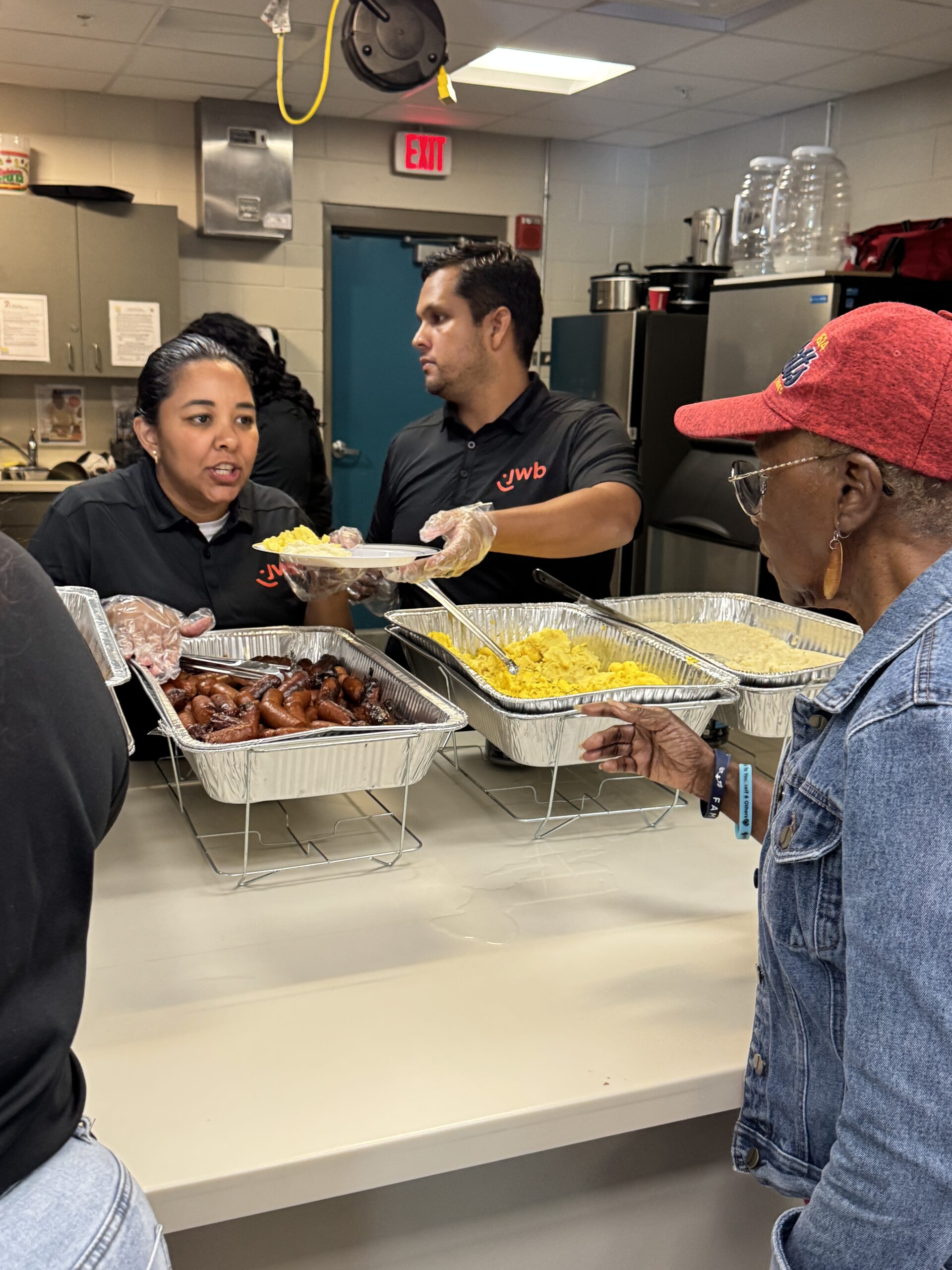
Highlights included a warm welcome by St. Pete’s Mayor Ken Welch; Ashli Doss of the Pinellas County Clerk of the Circuit Court and Comptroller’s Office as emcee; a panel with expertise from Pinellas County Schools, St. Pete Free Clinic, Bay Area Legal Services, and St. Pete Hubs; live music from the Gibbs High School Jazz Band; and a personal reflection from South County grandmother Rebecca Bray on the joys and challenges of raising her grandchild. Brunch, catered by Johnny Newsome (JNew BBQ and Catering), featured a delicious spread of eggs, grits, sausages, chicken, and waffles.

Kelly and the Community Council expressed their thanks to the exhibitors and volunteers—including JWB staff (Yaya, Joanne, Adelson, Cristen, Brianna, Marlaina, and Cristina); JWB Board Member Alicia McShea; and South County Council Member Michael Flores and his wife Eliana.

The Council planning team (Dexter McCree, Deneen Wyman, and Kerry Carlisle) deserve a warm round of applause, along with the City of St. Pete and the Lake Vista staff for their seamless support.

The event reflected the strength of our community—and the importance of showing up for kinship caregivers.

Enjoy even more photos of the day in this Facebook post.

JWB Recognizes Home Visitors’ Impact During National Home Visiting Week

Parenting can be hard. Growing up can be, too.

April is Home Visiting Month, highlighting how home visitors strengthen families—supporting parent and child health and helping prevent child abuse.

Home visiting professionals work alongside families to build confidence and self-sufficiency; utilizing a variety of research-based models, they strengthen parenting skills, share early childhood development and school-readiness best practices, help children build resilience and life skills, and connect families to support.

You might’ve noticed Home Visiting Month coincides with National Child Abuse Prevention Month. That’s intentional— underscoring home visiting as a proactive, non-judgmental way to prevent crises.

Next week (April 20–24) is National Home Visiting Week. We’re proud to highlight two JWB-funded programs serving Pinellas families and celebrate the impact home visitors make every day.

“Home visiting is a powerful tool to help make our families and communities stronger and more resilient,” said JWB Interim CEO Michael Mikurak. “Our local home visitors are incredible, and we’re proud to highlight their important work through National Home Visiting Week and beyond.”

Florida Department of Health Nurse-Family Partnership Program

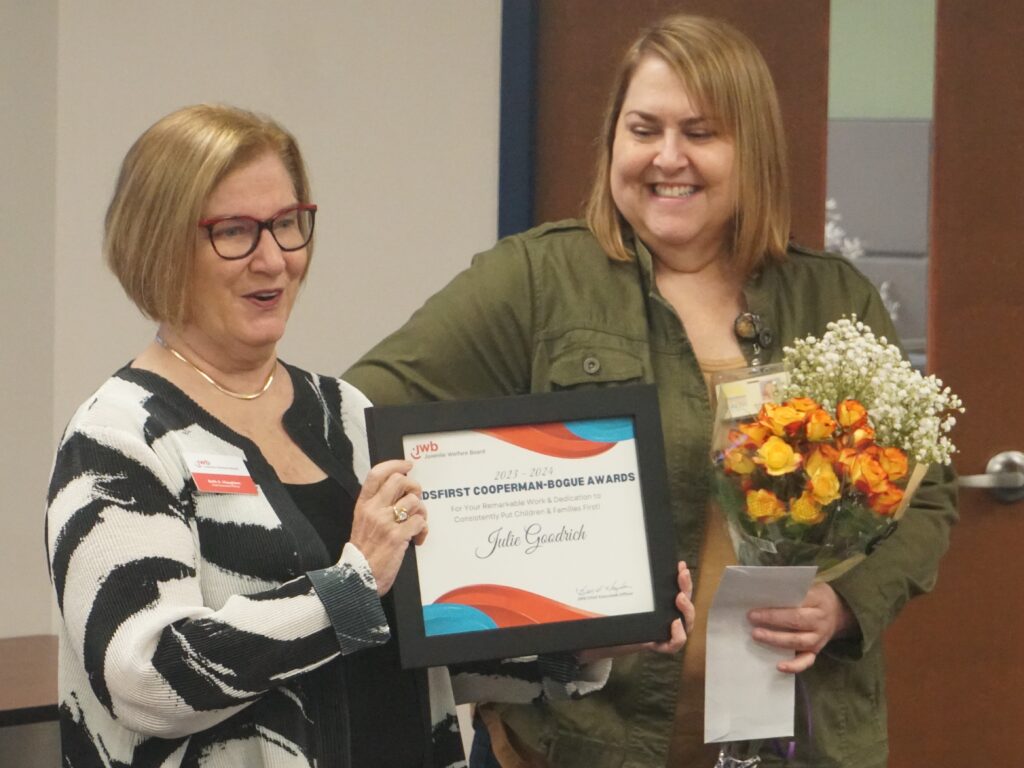
JWB CEO present a KidsFirst Award to Julie Goodrich, RN, of Florida Department of Health Nurse-Family Partnership Program

The Nurse-Family Partnership (NFP) is an evidence-based home visiting program funded by JWB to promote the well-being of first-time, low-income mothers and their children. 

Pinellas Nurse Family Partnership serves mothers experiencing socioeconomic challenges and risk factors for poor key health outcomes; priority is given to first-time mothers. Home visits are used to educate, counsel, and guide the first-time mother: NFP nurses provide pregnancy and parenting education, breastfeeding support, referrals to community resources, and promote family enrichment beginning in pregnancy through the child’s second birthday. Goals for the program include improving pregnancy outcomes, child health and development, supporting early identification of developmental delays, and family economic self-sufficiency.

The program is available to residents of Pinellas County beginning in pregnancy prior to 28 weeks’ gestation through the child’s second birthday. Visits are made every two to four weeks.

Julie Goodrich, an RN with NFP, was recognized as one of JWB’s 2023-2024 KidsFirst Cooperman Bogue Award Winners (above). Following in her mother’s footsteps, Julie supports first-time moms through their pregnancies and until their children turn two. When her clients graduate from the program, they have direction in their lives and the tools to successfully raise healthy children and build strong families. What matters to Julie is connecting so that, long after she’s gone, her families are able to nurture and advocate for their children.

Truancy Intervention Prevention Services (TIPS)

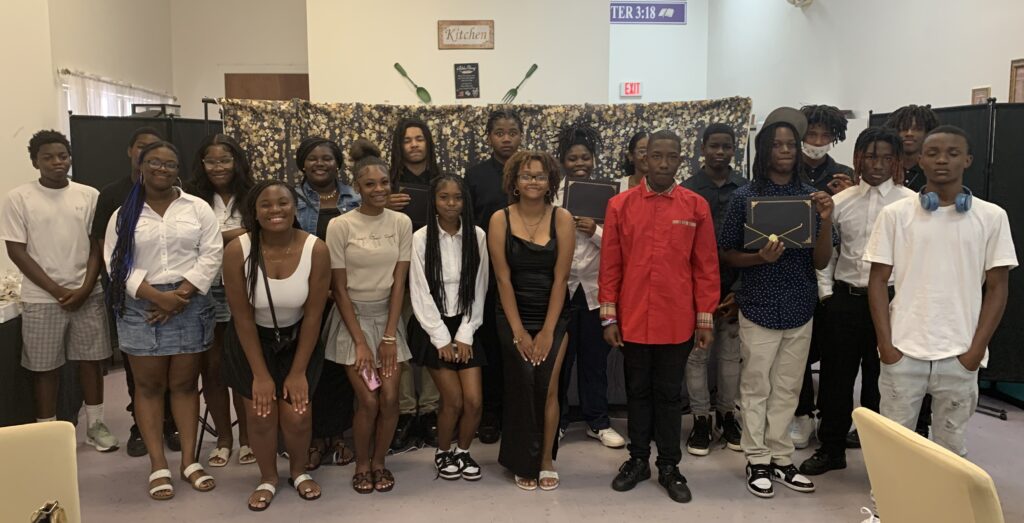
Group photo of teens participating in Bethel Comm Fdn TIPS program

Bethel Community Foundation’s mission centers on strengthening families emotionally, physically, and spiritually through services that yield both immediate and lasting benefits for the community. BCF’s philosophy stems from a prevention-based model, teaching families replacement behaviors that foster positive change both within the household and as individuals.

Their TIPS program serves youth ages 8-17 who face school-related challenges, including habitual truancy and other unmanageable behaviors. Through personalized case management and support services, including home visits, TIPS helps families navigate these challenges with dignity and respect.

Key TIPS offerings include:

  • Life skills training to boost youth resilience
  • Mental health, anger management, and substance abuse counseling
  • Weekly youth mentoring
  • Bi-weekly parent coaching/support
  • A summer Youth Enrichment Summit (YES) focused on mental wellness and school readiness
  • These intervention services have proven to be paramount in increasing graduation rates and civic engagement.

By equipping youth and families with tools to succeed, BCF’s TIPS program aims to reshape futures and restore promise across Pinellas County.

Family Center on Deafness (FCD)

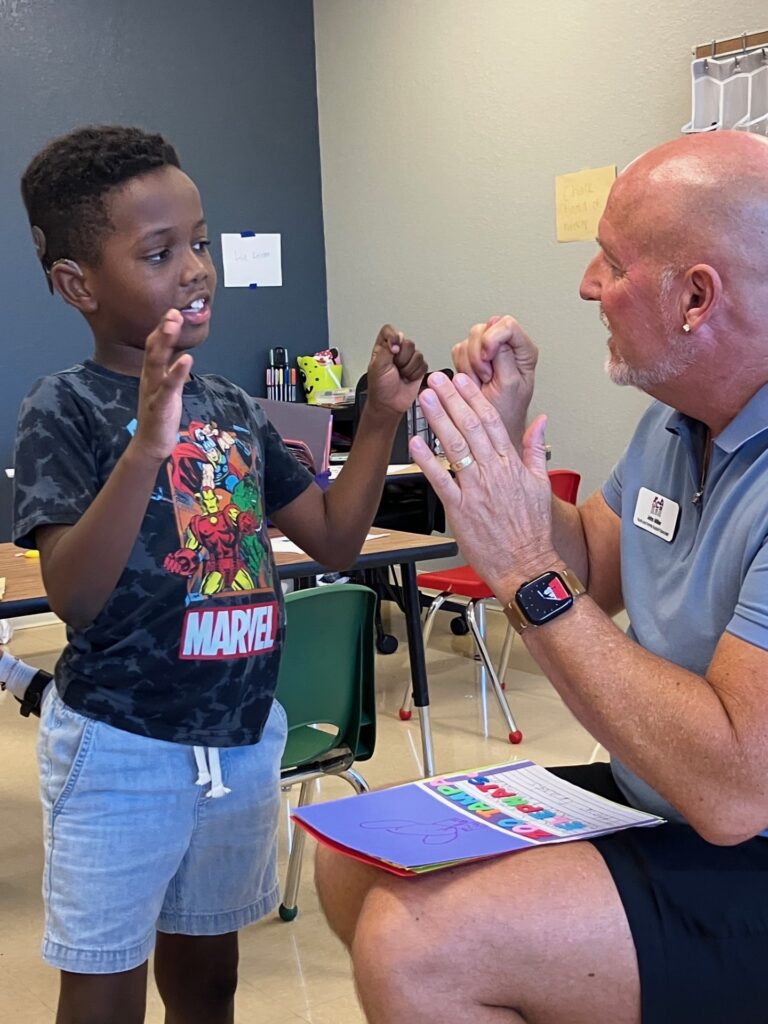
Deafness can impact home life and personal relationships. FCD is a nonprofit providing services specifically for deaf and hard-of-hearing (D/HH) residents of Pinellas County. They offer specialized services and staff trained in American Sign Language and experienced working with the D/HH population. FCD’s programs and services are geared toward empowering D/HH individuals and their parents/guardians/households; they work with the entire family.

Programming includes parent and infant activities (birth – 5); after-school, full-day, and summer camp programming for elementary, middle, and high school students; and enrichment and leadership programming. Additional after-school support for school-age youth is provided through individual tutoring, group tutoring, literacy activities, and sign language instruction. These programs are designed to positively impact youth participants’ self-esteem and strengthen their learning capabilities. 

Outside of FCD’s home visitation services, parents are also engaged not only through educational and recreational activities but also parent networking events.

While the center provides literacy classes, counseling, home visits, resources, and more for the whole family to fully support its clients, FCD is also an essential hub for connection and community building for D/HH Pinellas families and children.

Learn more about JWB’s work and partnerships around the Prevention of Child Abuse and Neglect every day.

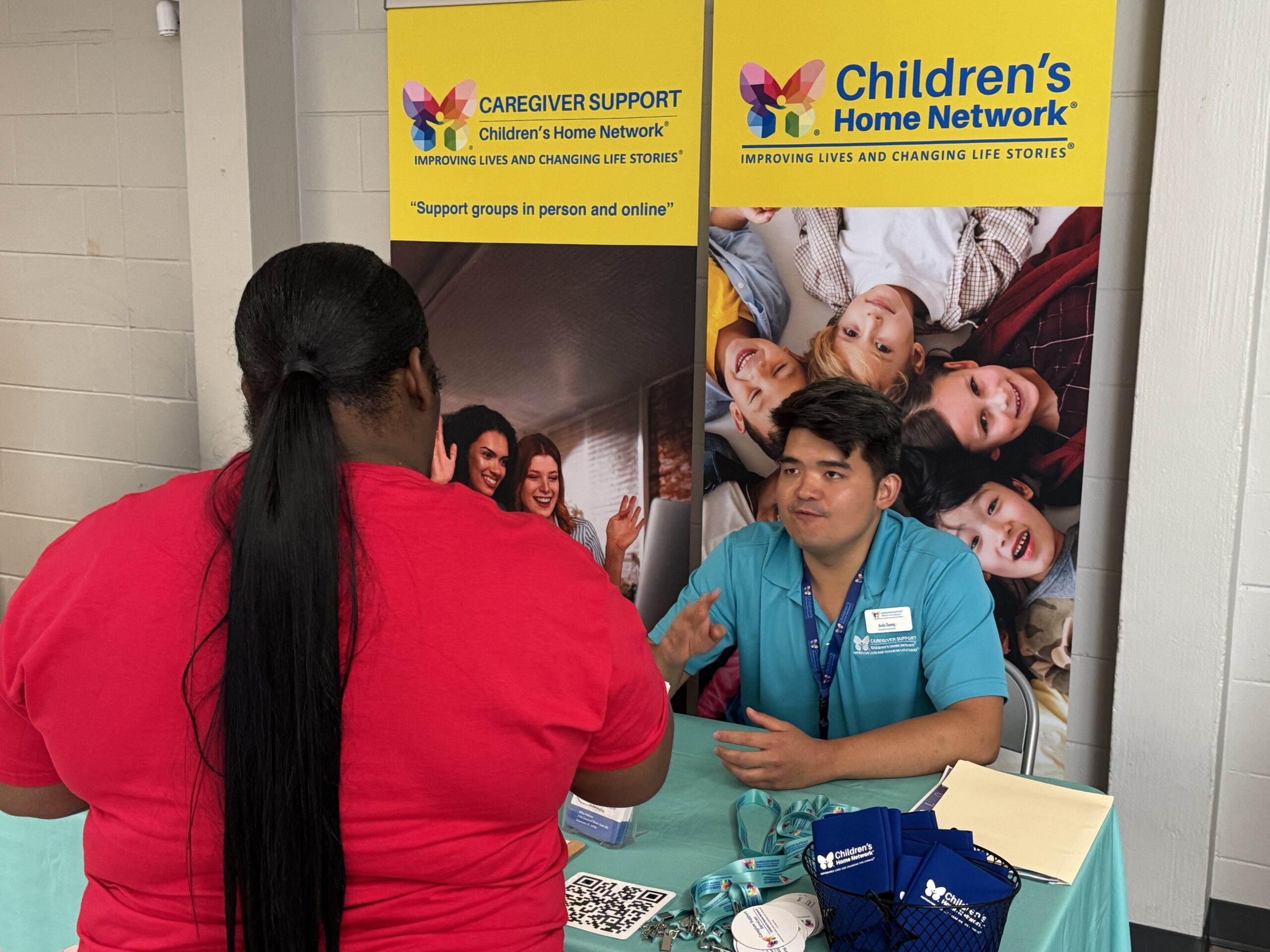
JWB Marks Wear Blue Day for National Child Abuse Prevention Month

JWB staff and Community Council members showed up in blue  💙  Not just to wear the right color on Wear Blue Day, but to stand for something bigger and show that we believe that when we, as a community, invest in Pinellas families early and often, our community’s children grow up safe, supported, and full of possibility.

We work with partners across Pinellas County every day to put kids first.

Still, Wear Blue Day serves as a meaningful reminder of our shared responsibility to create safe, supportive, and nurturing environments for our kids.

The blue pinwheel, the national symbol of child abuse prevention, represents the healthy and secure childhoods all children deserve; JWB staff planted a pinwheel garden in front of our office as a reminder that we all play a role when it comes to the healthy development of our children.

We welcome every Pinellas resident to join JWB in showing your commitment to prevention by standing with Pinellas County children and families—today and every day. When families are supported, communities thrive—and possibilities are endless!

For Florida, There’s Yet Another Reason to Understand Autism

In a state where balmy weather, miles of beaches and endless swimming pools draw millions of vacationing families a year, here’s a fact some Floridians may not know:

Children with autism can be drawn to water.

Our country sees more than 4,000 unintentional drowning deaths a year, and it’s no surprise that Florida consistently ranks high. More children ages 1-4 die from drowning than from any other cause, and it’s the second leading cause of death by unintentional injury for children ages 5-14.

And studies show that people with autism have a dramatically higher risk.

Autism — formally, Autism Spectrum Disorder — appears in the first three years of a child’s life, is categorized as a developmental disability, and can cause communication and behavioral challenges, including sensory sensitivities. One in 31 children is diagnosed with autism, and millions of adults are considered to be on the spectrum.

Why water?

For someone with sensory sensitivities, the visual andtactile aspects of water may be soothing. For a person who can get overwhelmed by the noise, lights and movement that are part of an ordinary day, the feeling of being submerged may muffle all that commotion and help regulate anxiety. Even the smell of water, such as saltiness or chlorine, may attract someone with autism.

For the tourist-friendly Sunshine State, knowing the connection between water and autism is power and, potentially, prevention. And it’s only one of the many reasons for better understanding autism.

The Juvenile Welfare Board of Pinellas County, funded through a special taxing district to direct community investments to support children and families, recently became officially autism-certified under a global standard. That’s some fitting news for April, Autism Awareness Month.

Nearly every member of the organization’s professional staff took hours of training from the International Board of Credentialing and Continuing Education Standards on multiple facets of autism — the importance of early identification, understanding and supporting children with autism, comorbidities, parent perspectives and more. Then they passed the required test, putting the organization on the international map of places that serve children with autism.

This step, another investment in children, makes sense: The organization already funds autism-inclusive programs ranging from children’s mental health to early childhood success to caregiver support.

Education grows understanding. As the word “spectrum” implies, symptoms of autism come in different forms and vary in severity depending on the individual. There’s a saying that those who took the training got to know and believe: When you’ve met one person with autism, you’ve met one person with autism. Everyone is more than a diagnosis.

The Clearwater nonprofit LiFT — which stands for Learning Independence for Tomorrow and includes LiFT Academy for students with learning differences and neurodiversity — has also achieved autism certification. Mesa, Arizona; High Point, North Carolina; Palm Springs, California; and Dubai all saw the value in becoming autism certified.

Here at home, Clearwater is exploring becoming an autism-certified city. The Juvenile Welfare Board and LiFT are working to identify local partners in healthcare, public safety, education, workplace inclusion, hospitality, and recreation to help make it happen.

Understanding the connection between autism and water can potentially prevent tragedy, particularly when a child goes missing and seconds count. Even beyond that, a greater understanding of people with autism goes a long way toward creating a place where visitors and residents alike can feel welcome, seen, and safe.

Rebecca J. Albert is director of strategic initiatives for the Juvenile Welfare Board of Pinellas County. She serves as chairperson of the Child Death Review for the State of Florida and the Sixth Judicial Circuit.

Read the article as originally published at https://www.tampabay.com/viewpoints/2026/04/07/autism-spectrum-disorder-children-water-drowning-florida-tampa-pinellas/

Pinellas County Commissioners Proclaim April as Child Abuse Prevention Month

The Pinellas County Board of County Commissioners has proclaimed April 2026 as National Child Abuse Prevention Month. The proclamation, which was read aloud and presented to JWB Board Chair Division Chief Jim Millican (pictured above, center) and Interim CEO Mike Mikurak (right) by Commissioner and JWB Board Member Chris Latvala (left) during the April 6 Board meeting, spotlights JWB’s investments and partnerships in prevention and early intervention that promote economic stability, reduce the likelihood of abuse and neglect, and ensure our County’s children have the foundation for lifelong well-being.

“We thank the Pinellas County Commissioners—the Hon. Dave Eggers, Hon. Chris Latvala, Hon. Rene Flowers, Hon. Vince Nowicki, Hon. Kathleen Peters, Hon. Chris Scherer, and Hon. Brian Scott—for their recognition that effective child abuse prevention is achieved through quality programming, strong partnerships, innovation, advocacy, and collaboration to build resilient and supportive communities,” said JWB Interim CEO of the proclamation and presentation.

JWB believes prevention is possible and that every child deserves to grow and thrive in a safe, supportive environment. We also know that early childhood experiences lay the foundation for lifelong success, and families who receive the support they need are better equipped to provide safe, healthy, and nurturing homes. Last year alone, JWB invested $126.4 million last year to improve the lives of 83,622 Pinellas County children and their families, with 99 percent of families receiving home visiting and mental health services remaining free from abuse and neglect one year after program completion.

Throughout April, pinwheels, the national symbol of child abuse prevention, will be displayed at locations across Pinellas County—including at the JWB offices. The pinwheel represents the bright future all children deserve.

On April 10, JWB staff invite all community members to join us in participating in Wear Blue Day by wearing blue to show their support for child abuse prevention. Wearing blue is a simple and visible way to raise awareness and show that our community stands for the safety and well-being of every child.

JWB and our partners offer resources and support for families throughout the year. For more information about child abuse prevention programs and services, visit our Prevention of Child Abuse and Neglect page.

Juvenile Welfare Board Receives Autism Center Designation

The Juvenile Welfare Board of Pinellas County has become the second organization in Clearwater to receive a Certified Autism Center designation from the International Board of Credentialing and Continuing Education Standards (IBCCES). 

This means that JWB staff members have completed specialized training to better understand and support individuals on the spectrum. Eighty percent of the team needed to participate in the training to earn the certification. JWB exceeded the requirements at 94%. 

A presentation ceremony was held Tuesday at LiFT (Learning Independence for Tomorrow) in Clearwater. The nonprofit educational institution, which provides a safe space for neurodiverse students, was the first in the city to receive the designation. 

Today marks the start of Autism Acceptance Month. 

“It really adds more value in support of those children who need to be heard and seen,” JWB interim CEO Michael Mikurak told the Catalyst. “Their families need to be understood. We need to be able to help them navigate through this process and provide them with the services that they need to allow their children to become who they want to be.” 

He added that JWB’s staff enthusiastically participated in the effort. They had to attend classes and were tested on their knowledge. 

Jacksonville-based IBCCES provides training and certifications in the “fields of autism, neurodiversity and accessibility” in over 130 countries, according to the organization’s website. 

JWB leaders began exploring the opportunity over a year ago, Mikurak explained. The organization, which was created by a special act of the Florida legislature in the 1940s, develops and financially supports programs that serve youth in Pinellas County. 

Neurodiversity, he said, was “an area that didn’t get enough visibility.” There is a “growing population” of children who have been diagnosed with autism. The goal was to equip JWB’s team with the necessary skills to help these young people in the community thrive. 

Currently, JWB supports a wide range of programs that benefit neurodiverse youth including early childhood services, specialized learning initiatives and caregiver support, Mikurak explained. Collaborations with organizations such as the Suncoast Center, Parc Center for Disabilities and R’Club Child Care have been an essential component of this work. 

“We are looking to expand and extend the reach of our current programs,” he said. “We are additionally looking at potential future programs that will fit in the mode of this.” 

JWB board chair and Lealman Fire District division chief James Millican has been very supportive of the effort, Mikurak added. His grandson was diagnosed with autism. 

“This is part of a larger initiative to make Clearwater and other surrounding areas an Autism Certified City,” said IBCCES president Meredith Tekin. “This means that there are multiple options for folks who are autistic or have sensory sensitivities where they are going to feel welcomed and understood and there’s organizations coming together that are focusing on making sure that people feel included.”  

Mesa, Arizona was the first U.S. municipality to receive the Autism Certified City designation, also provided by IBCCES, in 2019. 

“LiFT’s mission to inspire and empower people with neurodiversity to learn, thrive and succeed is so important,” LiFT Academy 12th grade student John Oureilidis said at the Tuesday ceremony. 

 “But, this mission should not stop at our school. It’s something our entire community needs to embrace. When communities make the effort to appreciate and accommodate these differences, they create opportunities for everyone to succeed.” 

JWB website

 IBCCES website 

Read the article as originally published at https://stpetecatalyst.com/juvenile-welfare-board-receives-autism-center-designation/

Juvenile Welfare Board of Pinellas County Becomes Second Certified Autism Center™ in Clearwater, Florida

The International Board of Credentialing and Continuing Education Standards (IBCCES) proudly awards the Certified Autism Center™ (CAC) designation to the Juvenile Welfare Board of Pinellas County (JWB). To become a CAC, at least 80% of staff completed autism and sensory training to empower them with the knowledge and understanding to best assist, support, and communicate with autistic and sensory-sensitive individuals. JWB went above that standard, with 94 percent of staff fulfilling the training requirements. By completing the training and certification, JWB becomes the second organization in Clearwater to earn the CAC accreditation.

“As an organization dedicated to the health and safety of children in Pinellas County, we were excited to partner with IBCCES to earn our Certified Autism Center™ credential,” said Michael Mikurak, interim CEO of the Juvenile Welfare Board. “This training gives our team the tools to better connect with children who are autistic or have sensory sensitivities, while also deepening our understanding of the unique needs of their families and caregivers. It inspires us to create experiences where every child feels valued and encouraged to reach their full potential.”

“By becoming a Certified Autism Center™, the Juvenile Welfare Board of Pinellas County is taking a powerful step toward ensuring that every child and family they serve feels understood, supported, and included,” said Myron Pincomb, IBCCES board chairman. “This certification reflects JWB’s dedication to building a community where neurodiversity is recognized and embraced. The impact will extend far beyond individual programs and strengthen the entire community by creating more accessible, compassionate services for the families who rely on them every day.”

JWB’s certification also complements a broader, community-led effort to explore the possibility of Clearwater becoming an Autism Certified City™ (ACC), which is being spearheaded by Learning Independence for Tomorrow (LiFT). If pursued, this designation would ensure both visitors and residents have access to a wide range of organizations that are trained and certified to better welcome and assist autistic and sensory-sensitive individuals across the healthcare, public safety, education, hospitality, entertainment, and recreation industries.

For 25 years, IBCCES has been a leader in providing autism, sensory and neurodiversity training and certification for professionals worldwide, including those in healthcare, education, public safety, travel, and corporate sectors. As the only credentialing board offering these programs, IBCCES provides training from subject matter experts and autistic self-advocates, along with long-term support, continuous learning, onsite reviews, and renewal requirements to ensure continued growth and lasting impact.

To further support inclusivity efforts, the Juvenile Welfare Board of Pinellas County is featured on the IBCCES Accessibility App, which is free to download. This app provides individuals with a variety of disabilities real-time guidance on certified destinations, sensory-friendly spaces, and tailored recommendations. By connecting users to accessible locations worldwide, the app helps ensure seamless, enjoyable experiences for everyone.

IBCCES also provides access to resources such as AccessibilityCertified.com and AutismTravel.com, which are free online tools for families that list certified locations and professionals. Each organization listed on the site has met IBCCES certification requirements.

Read the article as originally published at https://www.florida-observer.com/article/902753752-juvenile-welfare-board-of-pinellas-county-becomes-second-certified-autism-center-in-clearwater-florida

JWB Earns Certified Autism Center™ Designation, Strengthens Support for Neurodiverse Families

Today the Juvenile Welfare Board of Pinellas County (JWB) celebrated a milestone for inclusion, officially receiving its Certified Autism Center™ (CAC) designation from the International Board of Credentialing and Continuing Education Standards (IBCCES) during a community event in Clearwater.

The designation means JWB staff have completed specialized training to better understand and support autistic and sensory-sensitive individuals—helping ensure the children and families they serve feel welcomed and understood.

“As an organization dedicated to the health and safety of children in Pinellas County, we were excited to partner with IBCCES to earn our Certified Autism Center™ credential,” said Michael Mikurak, interim CEO of the Juvenile Welfare Board. “This training gives our team the tools to better connect with children who are autistic or have sensory sensitivities, while also deepening our understanding of the unique needs of their families and caregivers. It inspires us to create experiences where every child feels valued and encouraged to reach their full potential.”

This training gives our team the tools to better connect with children who are autistic or have sensory sensitivities and inspires us to create experiences where every child feels valued and encouraged to reach their full potential
JWB's Certified Autism Center certification was presented by IBCCES on March 31

The recognition comes just as Autism Acceptance Month begins April 1. JWB is now the second organization in Clearwater to earn the CAC designation. To receive certification, at least 80 percent of staff must complete specialized autism and sensory training. JWB went above that standard, with 94 percent of staff fulfilling the training requirements.

“By becoming a Certified Autism Center™, the Juvenile Welfare Board of Pinellas County is taking a powerful step toward ensuring that every child and family they serve feels understood, supported, and included,” said Myron Pincomb, IBCCES board chairman. “This certification reflects JWB’s dedication to building a community where neurodiversity is recognized and embraced. The impact will extend far beyond individual programs and strengthen the entire community by creating more accessible, compassionate services for the families who rely on them.”

To support inclusivity efforts, the Juvenile Welfare Board of Pinellas County is featured on the IBCCES Accessibility App, which is free to download. This app provides individuals with a variety of disabilities real-time guidance on certified destinations, sensory-friendly spaces, and tailored recommendations. By connecting users to accessible locations worldwide, the app helps ensure seamless, enjoyable experiences for everyone.

JWB already supports a range of programs that embrace neurodiverse children across Pinellas County. Through partnerships with organizations such as Learning Empowered, Suncoast Center, PARC, R’Club, and The Children’s Home Network, JWB funds early childhood services, specialized learning programs, and caregiver support—ensuring families have access to resources that foster growth, inclusion, and long-term success.

The certificate was presented at Learning Independence for Tomorrow (LiFT), a Clearwater nonprofit and school that empowers students with neurodiversity through academics, life skills, and career training. As the first organization in the city to earn the CAC designation, LiFT served as a fitting backdrop for the celebration, highlighting a growing local commitment to creating environments where neurodiverse individuals can learn, thrive, and succeed.

The certificate was presented at Learning Independence for Tomorrow (LiFT),as their staff and students celebrated with JWB.

“Having people who understand how you learn really makes a difference,” said John Oureilidis, a senior at LiFT who plans to study Educational Development at St. Petersburg College after graduation. “Seeing JWB take this step shows they care about students like me and want to help us succeed.”

ohn Oureilidis, a senior at LiFT who plans to study Educational Development at St. Petersburg College after graduation, spoke at the press event

“LiFT is proud to partner with JWB and IBCCES to create a more inclusive community,” said Matt Spence, LiFT Executive Director. “When organizations come together to recognize and meet the needs of neurodiverse children, it sends a powerful message: every child belongs, and every family matters. With JWB achieving CAC status, more children in our community will have those life-changing experiences every day.”

“LiFT is proud to partner with JWB and IBCCES to create a more inclusive community,” said Matt Spence, LiFT Executive Director.

JWB’s certification also complements a community-led effort to explore the possibility of Clearwater becoming an Autism Certified City™. If pursued, the designation would include specialized staff training to help ensure that families with autistic or sensory-sensitive children feel supported across schools, healthcare providers, attractions, and community spaces.

Enjoy a few photos from the event here, and stay tuned to our social media as we share more posts throughout the month as we celebrate Autism Awareness Month. Like and follow @JWBPinellas on Facebook, X, Instagram, LinkedIn, and YouTube.

Amid Divisive CEO Search, Juvenile Welfare Board Employees Focus on Work

While a contentious meeting about a new CEO was unfolding in a conference room at the Juvenile Welfare Board of Pinellas County last month, 80 people were at work in cubicles down the hall.

The agency’s workforce has little to do with the board of high-ranking officials and gubernatorial appointees who are in a standstill over whom to elect for CEO. Among the front-runners are interim CEO Michael Mikurak and Glenton “Glen” Gilzean Jr., a popular appointee of Gov. Ron DeSantis who was accused of misspending millions in his last position.

The 11-member board consists of five county officials — including the state attorney and public defender — and six people appointed by DeSantis.

All but one of the board members appointed by DeSantis voiced their support for Gilzean during a straw poll at the Feb. 20 meeting, drawing questions from community members about whether the welfare board is taking a political turn.

The board is responsible for deciding how to spend $100 million annually in taxpayer funds. Employees behind the scenes rely on data and community relationships to workshop programs that support the county’s children and families.

The job application lists the CEO’s salary range between $200,000 and $245,000.

Here’s what to know about the employees behind the organization.

‘Like a think tank’

In fiscal year 2025, the welfare board spent $102 million on 98 programs across 51 organizations, said Chief Operating Officer Karen Boggess.

Boggess has been at the organization for more than 20 years and said many of her neighbors don’t know that the board funds programs they use, including early learning centers and after-school programs at the YMCA.

The Juvenile Welfare Board also funds hunger initiatives, domestic violence organizations and behavioral health services.

In 2025, dollars went toward providing 7 million meals to children, connecting 9,000 kids with mental health services and distributing thousands of brain development materials to new parents, Boggess said.

A key success of the year, Boggess said, was that 99% of parents receiving in-home support from the organization reported being “free of abuse or neglect” during or after services.

“The staff take their work so seriously,” said Megan Seales, director of performance and evaluation. “We’re taking dollars out of homes in our community and they’re trusting us to be accountable to them. Behind every number is a kid.”

Becky Albert, director of strategic initiatives, said she sees the welfare board as a “think tank” for what the county’s children need.

She said the board has historically focused on funding programs in “higher-risk” areas of the county, but data told a different story. She discovered through Pinellas-Pasco Medical Examiner’s Office data that children were dying by suicide more frequently in higher income areas north of Ulmerton Road.

A couple years ago, she persuaded the board to change its mindset and allocate funds for mental health specialists to embed in private practice pediatric offices in the northern part of the county.

Albert also sits on the state’s child abuse death review team, where she and others discuss how child deaths could be prevented.

Suffocation is the leading cause of preventable death for children, said Albert, who brought the Sleep Baby Safely initiative to the Juvenile Welfare Board in 2018. Infant sleep-related deaths have been cut in half countywide since the educational campaign launched, according to medical examiner’s office data.

Some of the campaign’s key tips include always putting babies to sleep on their backs, having babies sleep in a crib and not an adult bed, and staying alert while breastfeeding by setting an alarm.

Two-thirds of infant sleep-related deaths happened when parents shared a bed with their baby, and infants are 40 times more likely to die in adult beds than a crib, according to the Sleep Baby Safely website.

Data has become a backbone to most of the organization’s work, said Michael Havelka, who prefers “data dude” to his formal title of senior data business and intelligence analyst.

Havelka is working on an interactive map of Pinellas County that will allow the public to see how issues differ from neighborhood to neighborhood based on census tract data.

Jomar Lopez, senior strategic researcher, said that Havelka finds the “what” in the numbers and then goes into communities to find the “why.”

Lopez meets with residents at neighborhood councils in three parts of the county to hear what they need from the welfare board and what issues are unique to their areas.

“We inform them and they inform us,” he said.

Humble beginnings

For nearly 80 years, the welfare board has remained nonpartisan.

A judge and an attorney worked together in the 1940s to try to persuade Pinellas County commissioners to allocate funds toward juvenile welfare at the conclusion of World War II.

When commissioners refused, the attorney, Leonard W. Cooperman, wrote a bill that called for the creation of a board. Voters approved the referendum during the November 1946 general election.

The Juvenile Welfare Board became the first entity in the United States dedicated to serving children and families with taxpayer dollars,according to a digital history written by USF. Mailande Holland Barton, who helped establish the Junior League of St. Petersburg, became the first board chairperson.

At the February meeting, some officials on today’s board expressed concern about the organization taking a political direction.

“I don’t want to see JWB become a political entity,” said Pinellas schools Superintendent Kevin Hendrick. “I want JWB to be about kids, I want to become less political, apolitical.”

Becca Gross-Tieder, a public awareness officer for the board, came to work at the agency because her father, Judge Raymond Gross, once served on the board.

“The reason this organization is so essential is because of the tireless efforts that often go unseen by the incredible people who work here,” she said.

She said she feels a responsibility to see that work continue. The board is scheduled to make a decision on the CEO on April 6.

Read the article as originally published at https://www.tampabay.com/news/pinellas/2026/03/27/pinellas-juvenile-welfare-board-jwb/